Understanding Wrinkles: A Natural Part of Aging
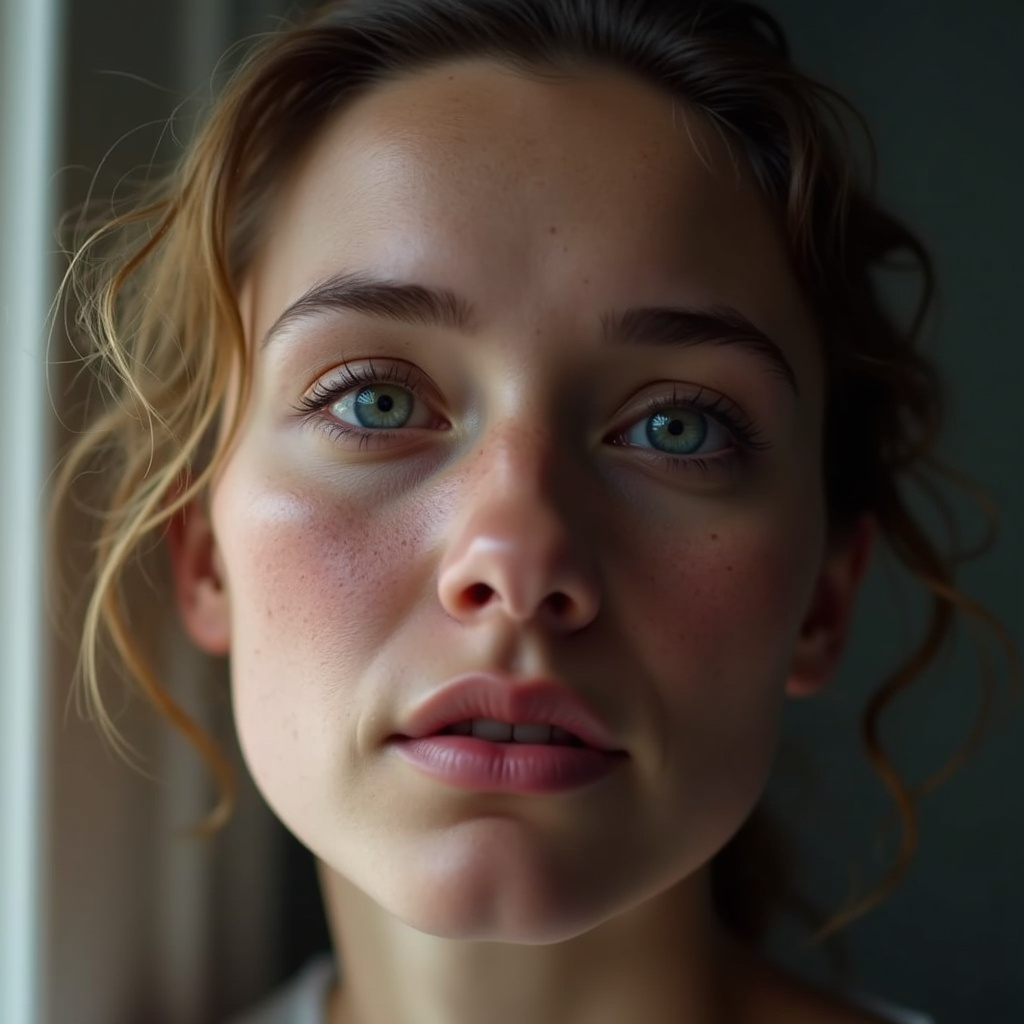
As we journey through life, our bodies undergo many changes, and one of the most visible signs of aging is the appearance of wrinkles. These fine lines and creases can be seen on our faces, necks, and hands, signaling the passage of time. While wrinkles are a natural part of aging, their emotional impact can be profound, influencing how we see ourselves and how we believe others perceive us.
The Connection Between Wrinkles and Self-Perception
Self-perception refers to how we view ourselves, which can heavily influence our confidence and emotional well-being. For many, the emergence of wrinkles can lead to feelings of insecurity and self-doubt. Here are some common emotional responses:
- Insecurity: Wrinkles can make individuals feel less attractive, leading to a sense of inadequacy.
- Fear of Aging: Many people associate wrinkles with aging and mortality, which can trigger anxiety about growing older.
- Social Comparison: In a society that often celebrates youth and beauty, seeing others with smoother skin can heighten feelings of jealousy and comparison.
Societal Standards and Their Influence
Our culture often places a high value on youth and beauty, which can exacerbate the emotional impact of wrinkles. Advertisements, social media, and even movies frequently portray young, flawless skin as the standard of beauty. When individuals don’t see themselves reflected in these ideals, it can lead to feelings of exclusion and diminished self-worth. This societal pressure can make wrinkles seem like a personal failure rather than a natural part of life.
Embracing the Journey: Changing Perspectives
While it’s easy to fall into the trap of negative self-talk regarding wrinkles, it’s essential to shift our perspective. Here are some ways to embrace the journey of aging:
- Celebrate Life Experiences: Each wrinkle tells a story. They represent laughter, joy, and the experiences that shape who we are.
- Practice Self-Compassion: Treat yourself with kindness. Recognize that everyone ages and that it’s a natural process.
- Focus on Inner Beauty: Cultivate qualities such as kindness, wisdom, and confidence, which contribute more to one’s beauty than skin appearance.
Practical Tips for Boosting Self-Confidence
Here are some practical tips for boosting your self-confidence as you navigate the emotional impact of wrinkles:
- Skincare Routine: Invest in a skincare regimen that makes you feel good. Healthy skin can boost self-esteem.
- Makeup Techniques: Learn makeup techniques that enhance your features and make you feel more confident.
- Positive Affirmations: Use positive affirmations daily to rewire your thoughts about aging and beauty.
Seeking Support and Building Community
Remember, you’re not alone in your feelings about aging and wrinkles. Consider seeking support from friends, family, or even professionals like therapists or counselors. Building a community where you can share your thoughts and experiences can be incredibly healing. Engage in conversations about aging, beauty, and self-acceptance to foster a supportive environment.
Conclusion: Embracing Aging with Grace
Wrinkles may be a sign of aging, but they also symbolize a life well-lived. By shifting our perspectives, embracing our unique journeys, and practicing self-compassion, we can change the narrative around aging and wrinkles. Instead of viewing them as a negative, we can learn to appreciate the stories they tell and the wisdom they represent. Ultimately, the most beautiful thing we can cultivate is a healthy self-perception that values our inner selves over societal standards.