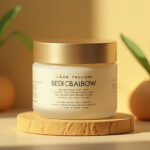
Picture yourself strolling through a vibrant forest. Suddenly, you come across a sparkling stream where salmon are joyfully leaping about. These stunning creatures are more than just eye-catching; they carry a fascinating secret that’s creating quite a stir in the skincare world. PDRN, short for Polydeoxyribonucleotide, is derived from salmon DNA and is being hailed as the next big thing after snail mucin. But what’s all the excitement really about? What lies behind this buzz?
What Is PDRN Anyway?
PDRN is a compound sourced from salmon sperm and has been utilized in medicine for years to aid healing and tissue regeneration. This isn’t some fleeting trend. Back in 2014, researchers published results indicating that PDRN could significantly boost skin repair post-surgery. Isn’t it amazing how nature offers us potential healing solutions?
Why Salmon?
You may be curious why scientists specifically chose salmon. These fish have incredible regenerative abilities—just think about how they navigate back to their spawning grounds year after year despite numerous challenges. Salmon DNA is packed with growth factors that encourage skin cell production, enhance elasticity, and improve hydration levels. Honestly, it’s kind of poetic when you think about it.
The Skincare Buzz
Brands like “Dr.Jart+” have started infusing PDRN into their products with notable success. Their “Dermask™ Vital Hydra Solution” mask claims to provide hydration while promoting cell turnover thanks to these potent compounds. Last year, sales surged by 45%! Could this mark the start of a new trend in skincare centered around DNA-driven treatments?
A Closer Look at Benefits
PDRN isn’t only about aesthetics; it also contributes to overall well-being. Studies indicate it can help minimize fine lines, enhance skin texture, and even aid conditions like eczema or psoriasis by promoting internal healing. Sounds promising, right? Still, I can’t shake off the feeling that we might be getting ahead of ourselves.
Is It Safe?
When considering applying something animal-derived onto our skin, safety is crucial. Fortunately, extensive research suggests that PDRN is generally safe for topical application; allergic reactions are rare compared to other common cosmetic ingredients. However, isn’t there always that lingering worry when trying out something new?
The Bottom Line
This innovation in skincare points towards an exciting path: merging nature with science for enhanced beauty solutions. People are becoming increasingly curious about what else nature has to offer—and who could blame them? While classic ingredients like hyaluronic acid or vitamin C will remain staples for now, the rise of PDRN hints at a shift towards exploring more organic options.
If you haven’t tried products featuring salmon DNA or its derivatives yet, perhaps now is your moment! Just make sure to look out for formulations supported by scientific research and reputable brands—those making waves with these innovations.