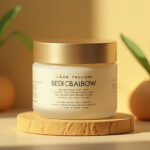
In the realm of skincare, retinol is often hailed as a wonder ingredient. Why is that? It’s famous for its ability to reduce fine lines, even out skin tone, and enhance collagen production. But here’s the twist: getting started can be a bit challenging. Many individuals face issues like redness, peeling, or irritation when they jump into retinol use too quickly. So, how can you embark on this journey without all the fuss?
Understanding Retinol
Let’s break it down—what exactly is retinol? It’s a vitamin A derivative and plays a crucial role in many effective anti-aging products. The underlying science is both simple and impactful: it accelerates cell turnover and encourages fresh skin growth. A 2021 report from the American Academy of Dermatology found that 95% of dermatologists suggest using some form of retinoid for youthful-looking skin.
Choosing Your Product Wisely
You have plenty of choices when it comes to retinol products. From prescription-strength creams to over-the-counter options like Olay Regenerist Retinol 24 Night Moisturizer, it can feel a bit overwhelming. Honestly, I think people often overlook this step—many rush into high-potency formulas assuming that stronger means better. Isn’t it wiser to start off with something gentler?
Patch Testing: A Must!
Before you go ahead and apply any product across your entire face, why not try a patch test first? It’s super easy! Just put a small amount on your inner arm or behind your ear and wait 24 hours. If there’s no reaction—fantastic! But if you notice any redness or irritation? You might want to consider a milder formula or hold off for now.
Start Slow
So what’s the best approach for easing into retinol usage? A popular method is starting with just two nights a week and then gradually increasing frequency as your skin gets used to it. Some people find success starting every third night—it really varies depending on your skin type and how well you tolerate it. By the way, do you know how long this adjustment phase could last?
The Power of Hydration
An important aspect to keep in mind is hydration. Retinol can dry out your skin—that’s part of its effectiveness! This makes layering with a good moisturizer vital after applying retinol; something like CeraVe’s Daily Moisturizing Lotion has worked wonders for many users by offering that added comfort.
Avoiding Irritation Triggers
You might be curious about other products that don’t mix well with retinol. Common irritants include exfoliants such as alpha-hydroxy acids (AHAs) or beta-hydroxy acids (BHAs). Using these alongside retinol can lead to unhappy skin—in other words, irritation galore! Have you taken stock of what else you’re using in your skincare routine lately?
Consistency Is Key
If you’re still with me and have managed to incorporate retinol without irritation—way to go! Consistency truly matters; results aren’t immediate but generally start appearing after four to six weeks of regular use.